

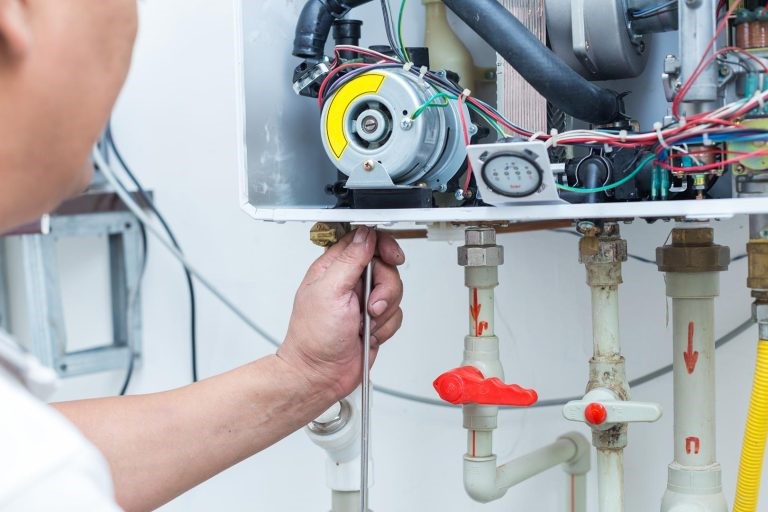
It’s 6:45 on a frosty Bradford morning. The kids need getting ready, the radiators are stone cold, and the shower is running icy. Your boiler has decided today is the day it stops working.
Sound familiar? Boilers hate cold snaps almost as much as we do. Demand goes up, old parts give out, and small problems that went unnoticed all autumn suddenly turn into a full breakdown.
The good news is that most boiler faults follow a pattern. In this guide, we’ll explain what gas engineers in Bradford actually look for when they arrive, which simple checks you can safely do yourself first, and when it’s time to stop and call a professional gas heating engineer in Bradford.
Why Do Boilers Break Down More in Winter?
Your boiler works hardest between November and February. It fires up more often, for longer, and under more strain. That’s why so many callouts happen in cold weather.
Common winter triggers include:
- Frozen condensate pipe. Modern condensing boilers drain acidic water through an external pipe. In freezing temperatures it can ice up and shut the boiler down.
- Pressure drops. Radiators bled or small leaks in the system can leave pressure too low.
- Worn parts. Pumps, valves, and diverters that have been coping all year finally give up under heavy use.
- Sludge build-up. Years of debris in the system restrict flow and make the boiler overheat.
- Skipped servicing. A boiler that hasn’t been checked in over a year is far more likely to fail when you need it most.
Safe Checks You Can Try Before Calling Anyone
Before you panic, there are a few simple things worth checking. None of these involve opening the boiler casing or touching any gas fittings. That’s strictly a job for a Gas Safe registered engineer.
1. Check your thermostat and timer
It sounds obvious, but dead batteries and a timer that’s changed back to the wrong time are surprisingly common causes. Make sure the heating is switched on, set to a higher temperature than the room, and scheduled correctly.
2. Look at the boiler pressure gauge
Most home boilers should sit at around 1 to 1.5 bar when cold. If the needle is near zero, the boiler will often lock out. Your manual will explain how to top it up using the filling loop. If the pressure keeps dropping again, you likely have a leak, and that needs an engineer.
3. Check the display for a fault code
Most modern boilers show an error code. Note it down. It gives a Bradford heating engineer a head start when you call, and often speeds up the repair.
4. Check for a frozen condensate pipe
If it’s below freezing and your boiler shows a fault, the condensate pipe may be frozen. Pouring warm (never boiling) water over the exposed pipe can sometimes clear it. Be careful on icy ground, and call an engineer if you’re unsure.
5. Try a reset, once
Many boilers have a reset button. Try it once, following your manual. If it locks out again, don’t keep pressing it. Repeated resets can hide a genuine fault.
Important: If you smell gas, leave the property, open windows if it’s safe, avoid light switches, and call the National Gas Emergency Service on 0800 111 999 straight away. Do not wait for an engineer to arrive.
What Gas Engineers in Bradford Will Check When They Arrive
When you call a professional gas heating engineer, they don’t just guess. A proper diagnosis usually follows a clear order:
- Safety first. They’ll check for gas leaks, ventilation, flue condition, and carbon monoxide risks before anything else.
- Visual inspection. Leaks, corrosion, scorch marks, and damaged pipework often tell the story quickly.
- Pressure and flow. They’ll test system pressure and check that water is circulating properly.
- Ignition and gas supply. If the boiler won’t fire, they’ll test the ignition components and gas pressure.
- Pump, valves, and controls. A failed pump or stuck diverter valve is one of the most common causes of “no heating” or “no hot water.”
- Heat exchanger and system cleanliness. If sludge is the culprit, they may recommend a power flush to restore proper flow and protect the new or existing boiler.
Once the fault is found, a good engineer explains it in plain English and gives you your options. Repair now, or replace if the boiler is old and repeatedly failing.
Repair or Replace? How to Decide
This is the question every homeowner asks, and an honest engineer will give you a straight answer. As a rough guide:
Repairing usually makes sense when:
- The boiler is under about 10 years old
- The fault is a single, affordable part
- It hasn’t broken down repeatedly
Replacing is worth considering when:
- The boiler is 12 to 15 years old or more
- Spare parts are hard to find
- You’ve had several repairs in a short time
- Your energy bills keep climbing despite regular use
A modern, efficient unit can noticeably cut running costs, and a professional boiler installation comes with the peace of mind of up-to-date safety features and a fresh warranty.
Don’t Forget Carbon Monoxide Safety
Winter means windows stay closed and appliances run harder, which is exactly when carbon monoxide risks go up. CO is invisible and odourless, so a working alarm is essential.
Make sure you have:
- A CO alarm in every room with a gas appliance
- Alarms tested regularly and batteries replaced when needed
- Annual servicing of all gas appliances, including boilers and fires
Warning signs of a problem include yellow or orange flames instead of blue, black marks around the appliance, and headaches or dizziness that ease when you leave the house. If you suspect CO, get everyone outside and call the emergency number above.
How to Stop It Happening Again
Prevention beats emergency callouts every time. Here’s a simple winter-ready routine:
- Book an annual service before the coldest weather arrives. Regular gas central heating servicing is the single best way to avoid breakdowns.
- Bleed radiators if they’re cold at the top.
- Insulate exposed pipes, especially in lofts, garages, and outbuildings.
- Run the heating briefly even in milder spells to keep parts moving.
- Know where your stopcock is, in case a pipe does burst.
Why Bradford Homeowners Call A.S. Plumbing and Heating Engineers
When your heating fails, you want someone who answers the phone and turns up. At A.S. Plumbing and Heating Engineers, our Gas Safe registered team (Gas Safe number 211549) covers Bradford, Dewsbury, Wakefield, Halifax, and Huddersfield, with a 24/7 emergency service.
Customers regularly tell us what matters most is honest advice and a fast response. One recent customer described a long-standing fault that other engineers had failed to fix. We value that kind of trust, and we work to earn it on every job.
Whether it’s a quick repair, a full system service, or help with an unvented cylinder, you’ll get clear advice and no pressure. Learn more about our team or see the areas we cover, including our Bradford service page.
Frequently Asked Questions
Why has my boiler stopped working in cold weather?
The most common causes are a frozen condensate pipe, low system pressure, a faulty pump or valve, or a boiler that’s overdue for servicing. A Gas Safe registered engineer can identify the exact fault quickly.
How do I know if my boiler pressure is too low?
Check the gauge on the front. If it’s well below 1 bar when the system is cold, the boiler may stop working. You can usually top it up with the filling loop, but repeated drops suggest a leak that needs professional attention.
Can I fix a boiler myself?
You can safely check the thermostat, timer, and pressure gauge, and try a single reset. Anything involving the gas supply, internal parts, or the boiler casing must be done by a Gas Safe registered engineer. It’s the law, and it’s about your safety.
How quickly can a gas engineer in Bradford reach me?
It depends on the company, but many local firms offer same-day and emergency callouts. A.S. Plumbing provides a 24/7 emergency service across Bradford and nearby towns.
How often should my boiler be serviced?
Once a year is the standard recommendation. An annual service keeps it efficient, helps maintain your warranty, and catches small problems before they become winter emergencies.
Is it worth repairing an old boiler?
If it’s relatively young and the fault is minor, repair usually makes sense. If it’s 12 to 15 years old and keeps failing, replacement is often better value in the long run. A good engineer will give you honest advice either way.
Conclusion: Get Ahead of the Cold
A boiler breakdown in winter is stressful, but it doesn’t have to turn into a week without heat. Know the safe checks, keep a CO alarm working, book your annual service, and have a trusted gas engineer in Bradford you can call when things go wrong.
If your heating has stopped, or you’d like to get ahead of the cold with a proper service, we’re ready to help.
Call A.S. Plumbing and Heating Engineers on 07866 623870 or request a free quote online. Fast, friendly, Gas Safe registered help, 24/7.
.png)